Commercial epoxy floors in Clearwater
Gulf View Epoxy & Coatings coats commercial floors across Pinellas and Pasco: light industrial units in Pinellas Park and Largo, marine shops from Clearwater to Tarpon Springs, the Warehouse Arts District in St. Petersburg, and kitchens in Dunedin and on Clearwater Beach. Tell us how the space is used and when it can close.
Commercial finishes
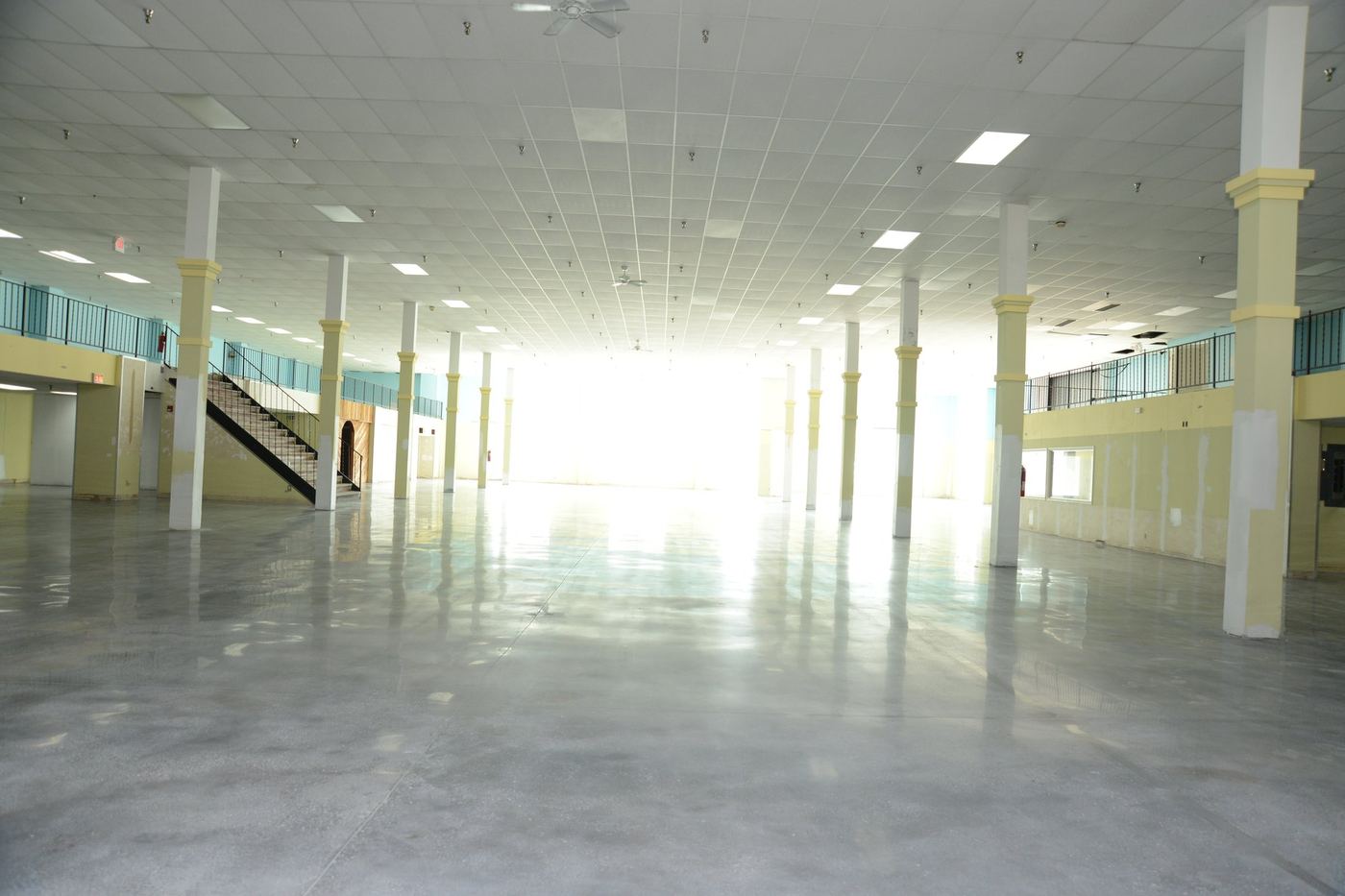
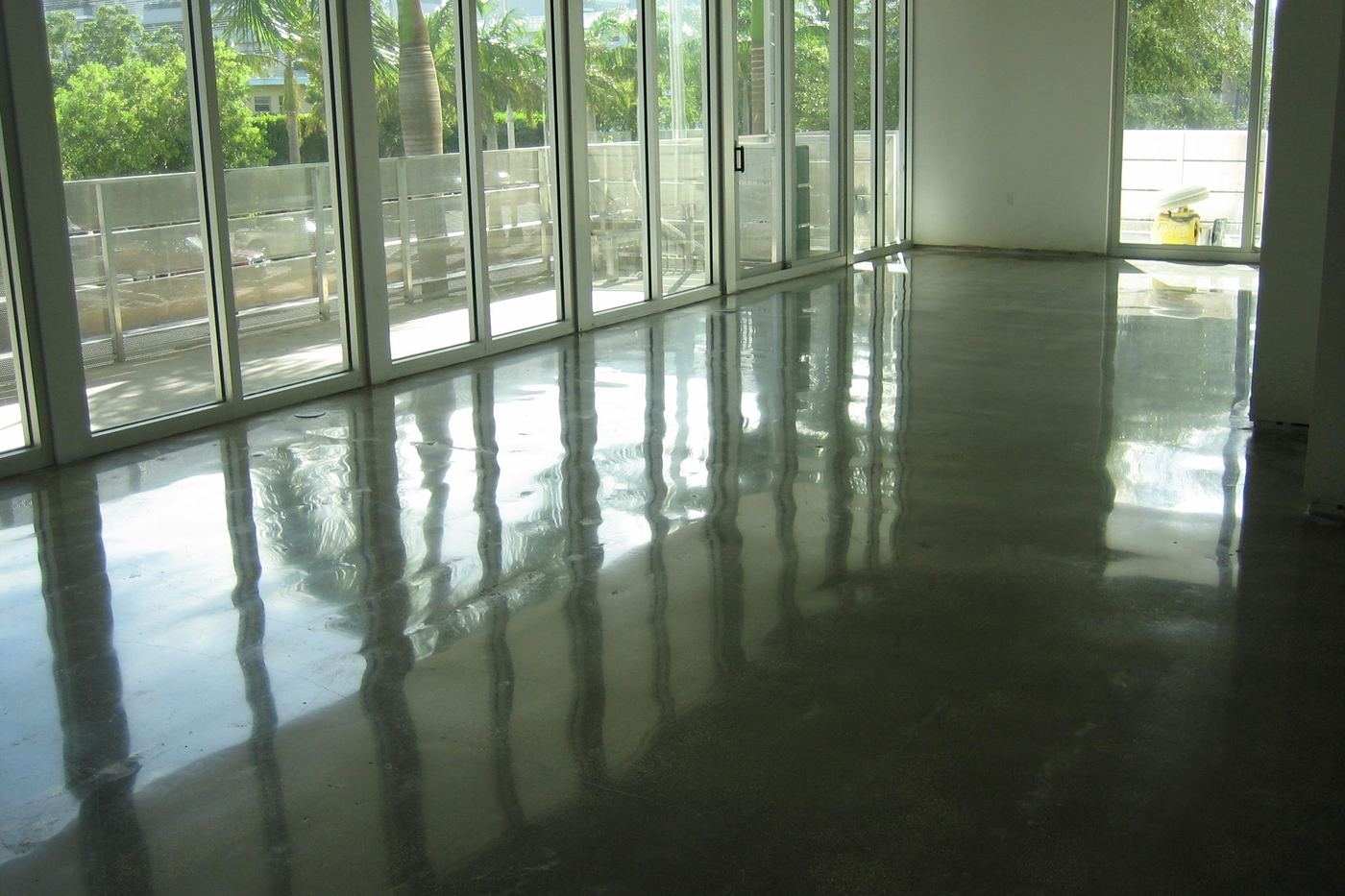
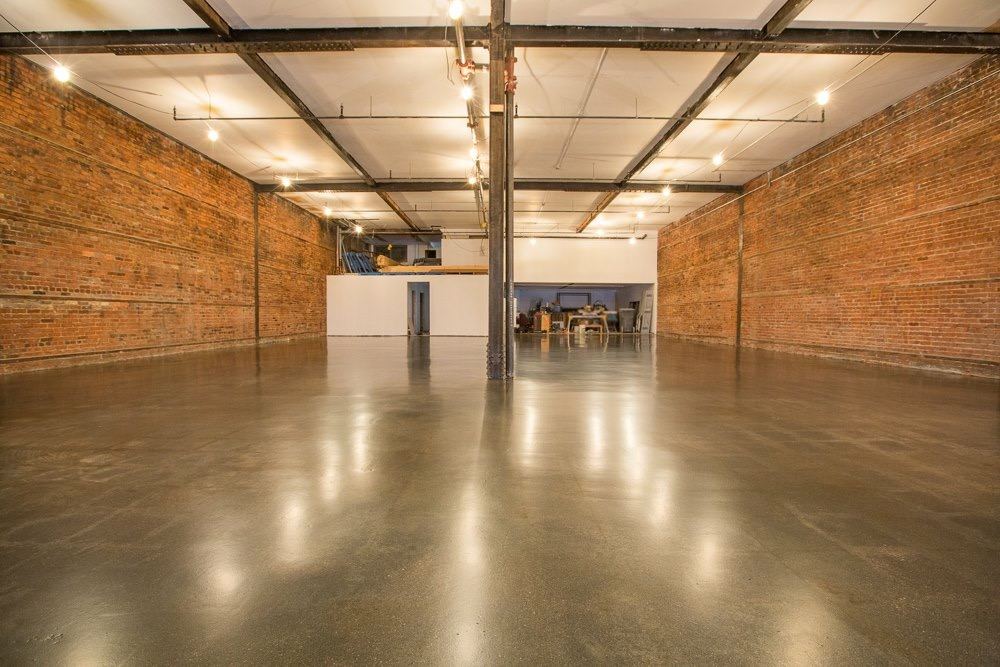
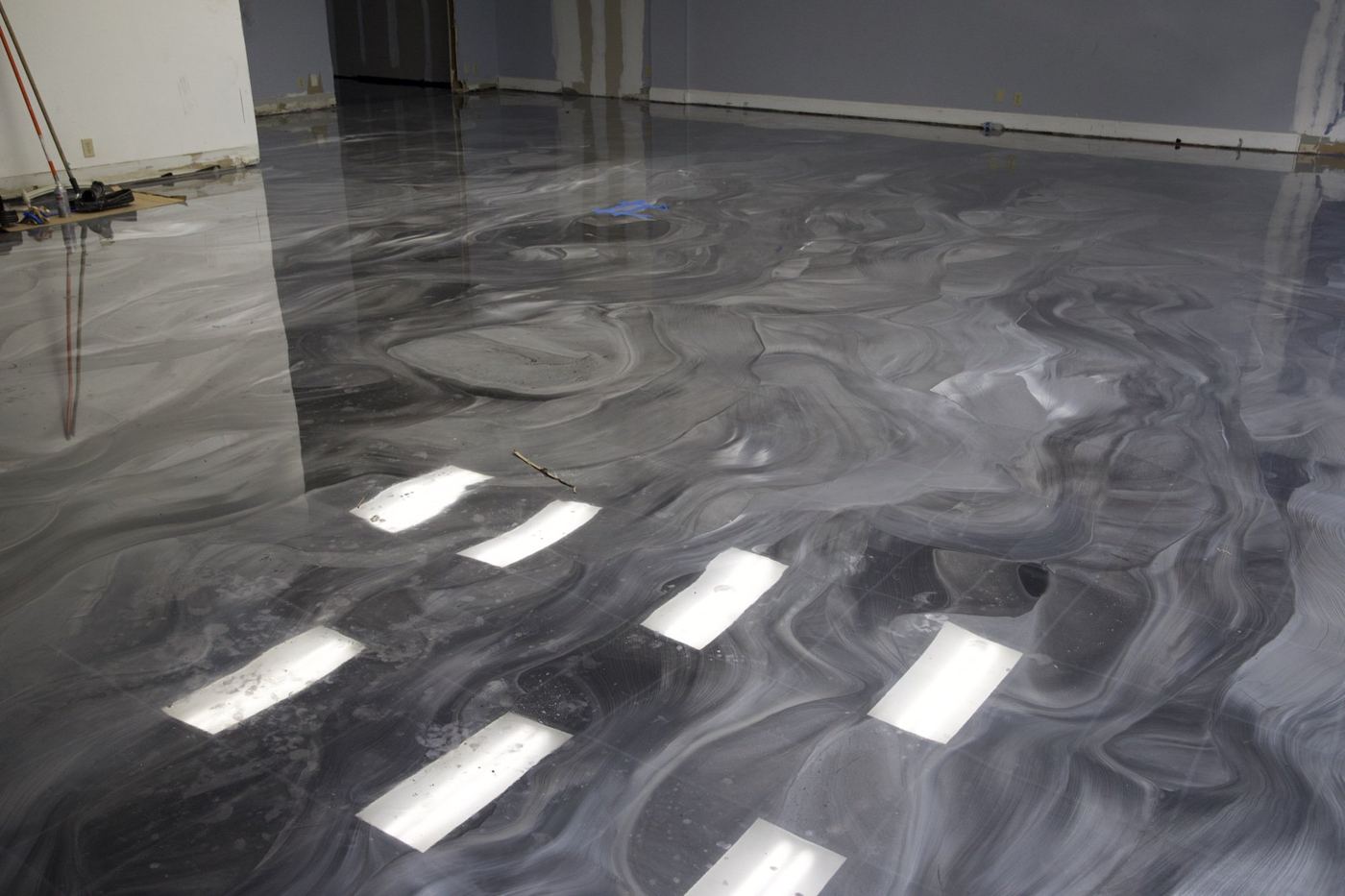
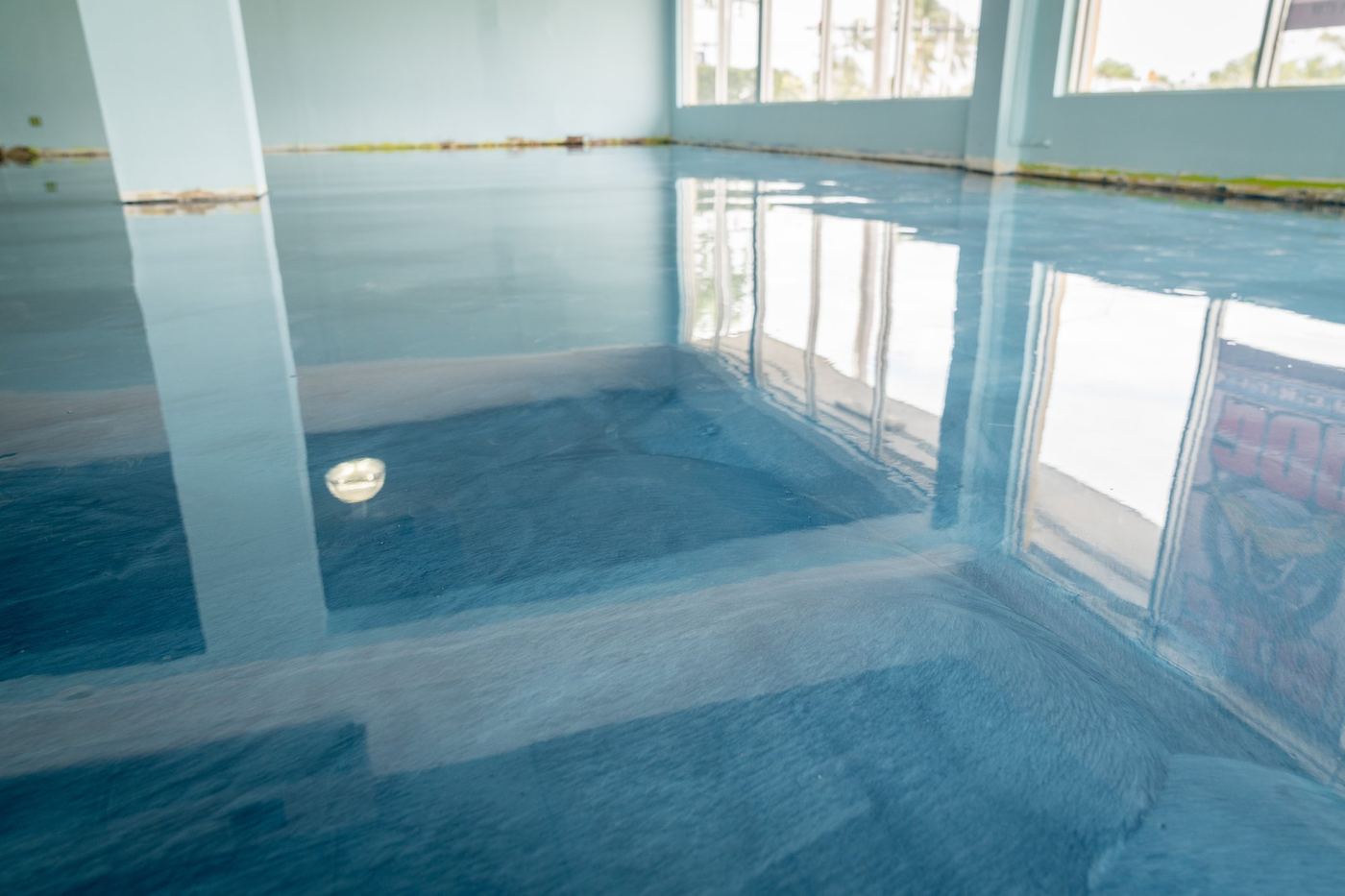
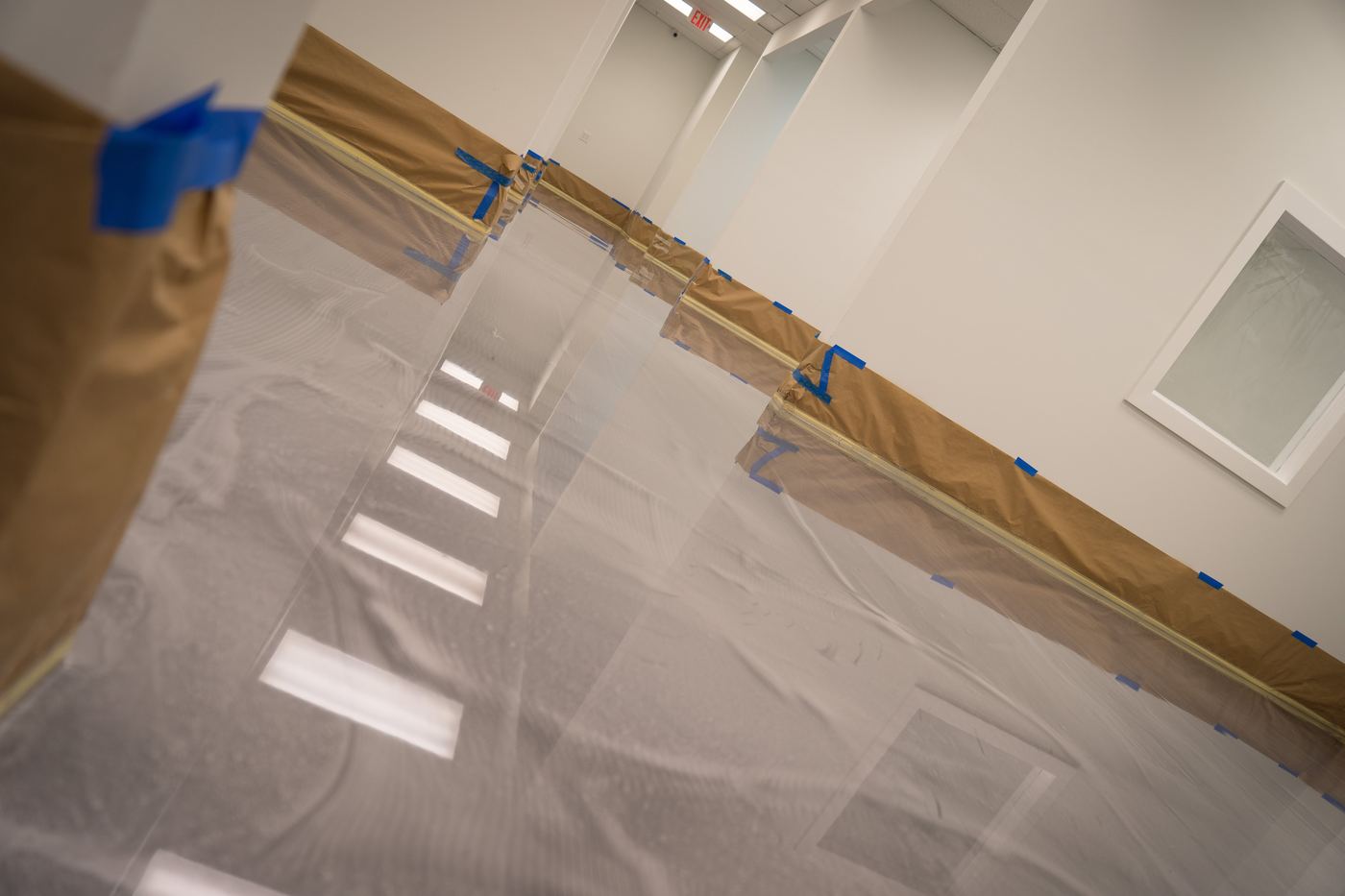
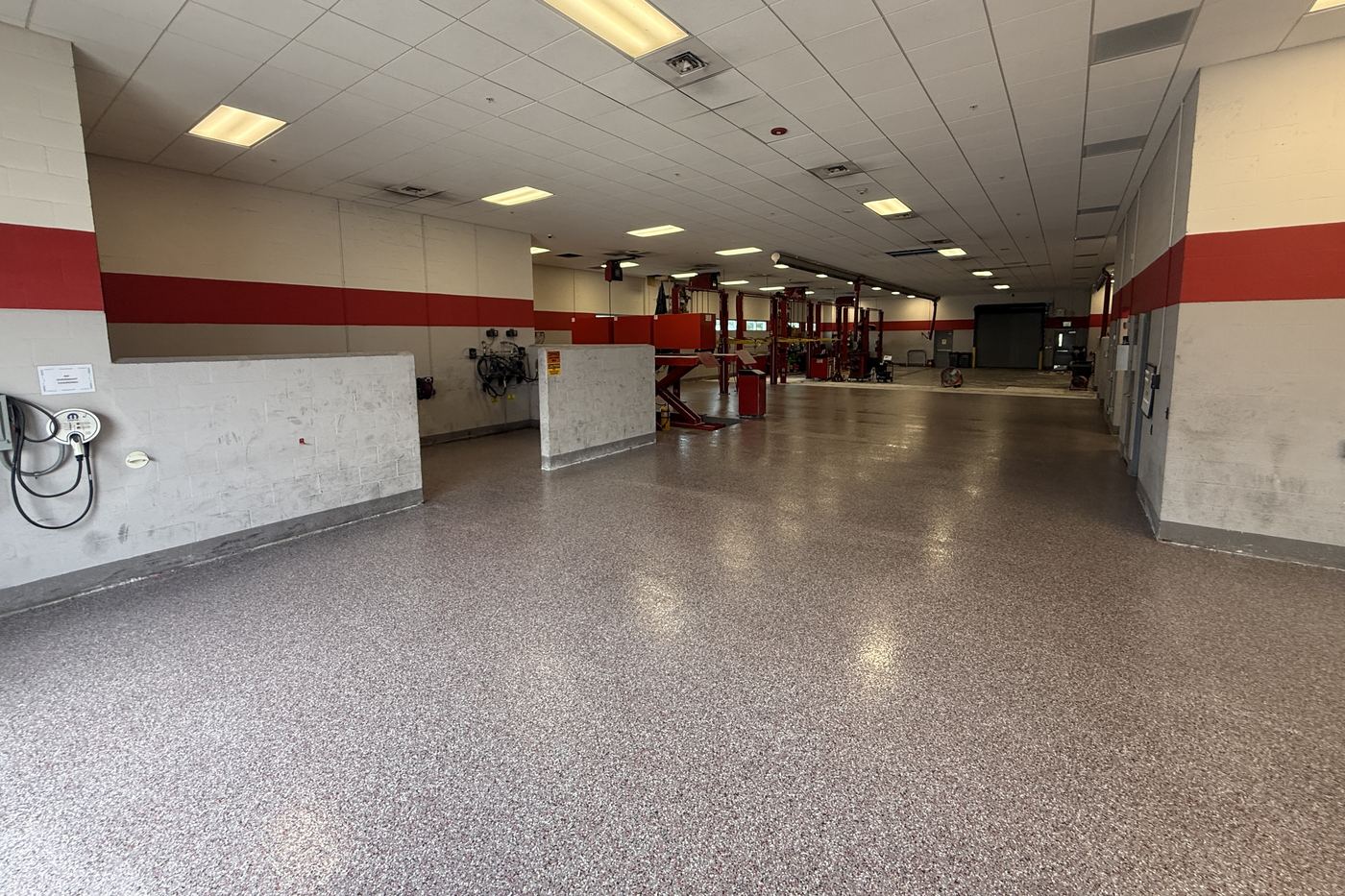
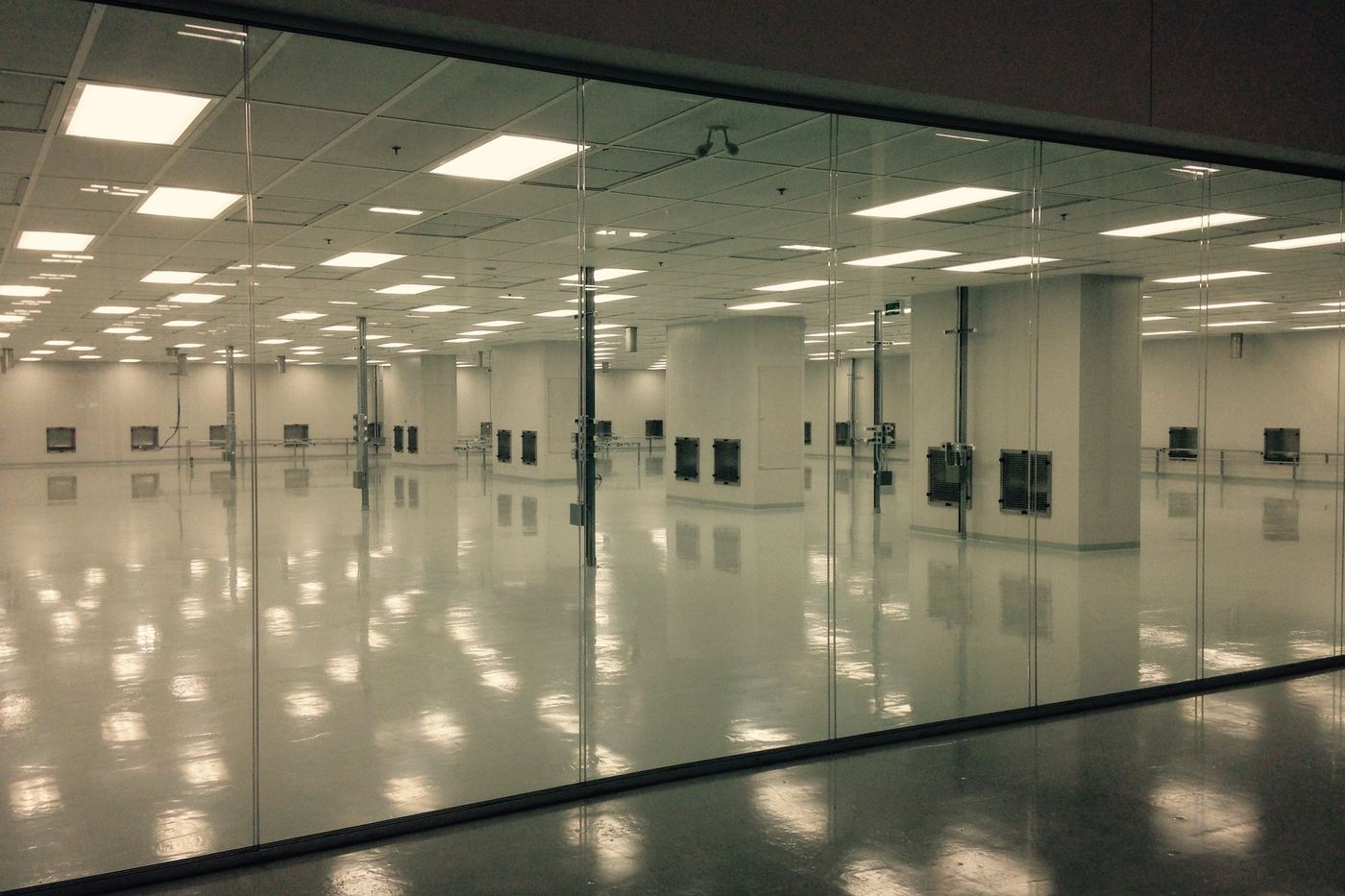
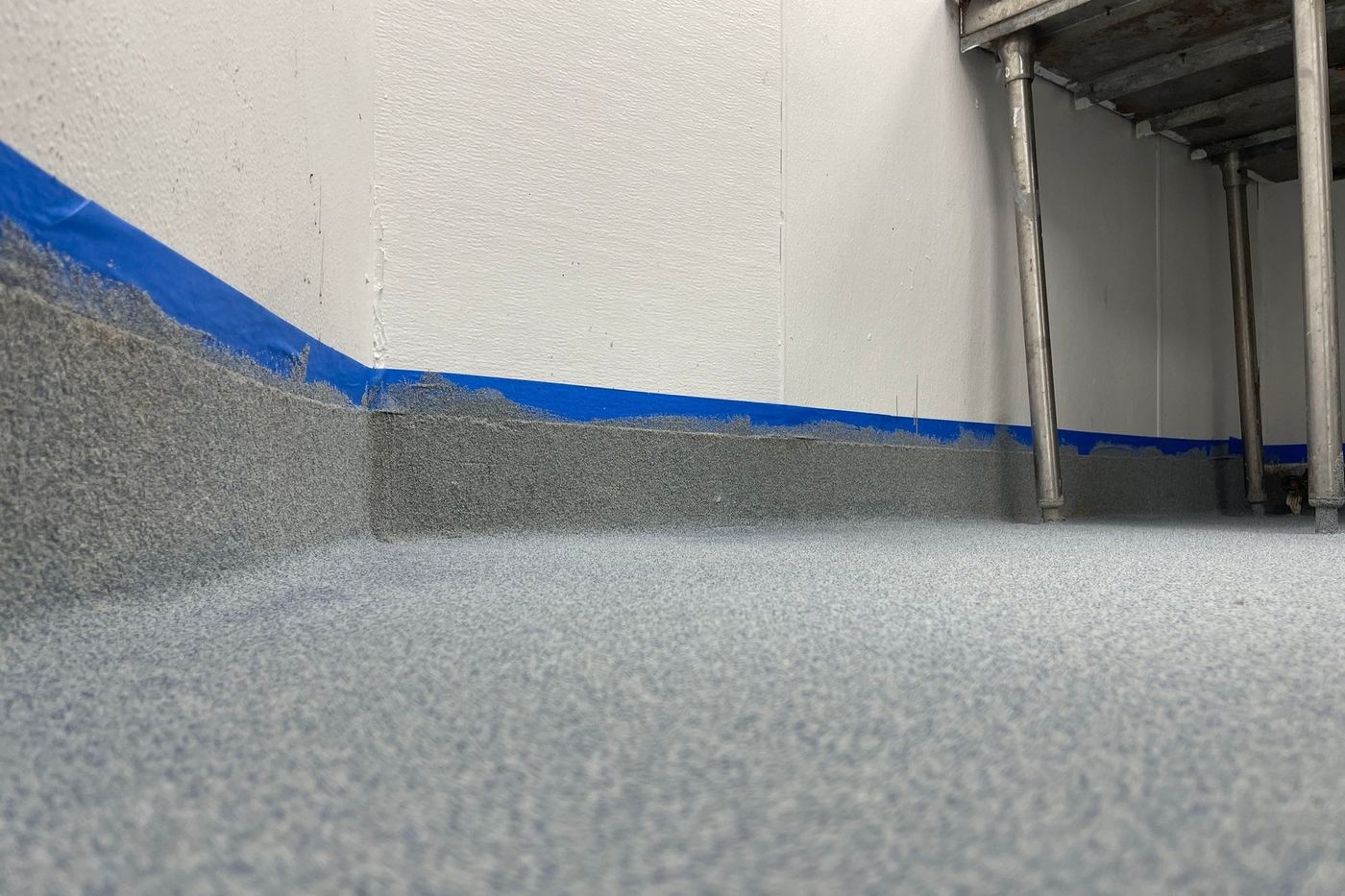
Example photos of finished commercial floors, shown for the look. Not photos of a specific Gulf View Epoxy & Coatings job. Ask for photos of comparable work before you book.
Which Pinellas and Pasco businesses ask about coated floors?
Light industrial and contractor shops, marine service and storage, restaurants and taprooms, and retail and medical units along US 19.
Pinellas Park and the Largo side of Ulmerton Road are lined with light industrial units, contractor shops and distribution space. Clearwater, Tarpon Springs and the marinas along the Intracoastal bring boat service and storage, where fuel and salt water reach the floor. The Warehouse Arts District and Grand Central in St. Petersburg have studios, taprooms and showrooms, and Dunedin and Clearwater Beach have kitchens that wash down every night. Farther north, New Port Richey and Hudson have newer retail and medical units along US 19.
Light industrial
Pinellas Park and Largo: forklifts, carts and racking on big open slabs.
Marine
Clearwater to Tarpon Springs: fuel, salt water, wet gear and trailers.
Food and drink
Dunedin, Clearwater Beach and St. Pete taprooms: washdowns, grease and grip.
Retail and medical
US 19 from Clearwater up to New Port Richey: easy cleaning and a clean look.
What matters most on a business floor near the water?
When the work can happen, how soon each area is back in use, grip where it gets wet, and what salt air and damp slabs do to a coating.
Coastal slabs and open bay doors bring damp air and salt into the building. That changes how a slab is prepared and how long a coating takes to cure, so the crew checks the slab and plans the schedule before anything goes down. Texture is added only where water, oil or fuel reach the floor.
Hours
Evenings, weekends or one zone at a time keep the doors open.
Back in use
Ask for a time for each area: people first, then carts, then full use.
Grip
Wash zones, entries and boat bays get texture. Showrooms stay smooth.
Salt and damp
Near the water the slab is checked first, since a damp slab can push a coating off.
What should the floor be built to handle?
Wheel loads, chemicals, washdowns and foot traffic, depending on the business, which is why the use decides the system.
A boat shop sees trailers, fuel and wet gear. A gym needs a floor that handles weights. A restaurant needs a surface that cleans with hot water. Tell the crew what happens on the floor, beyond the square footage, and say whether anything on it is heavy, hot, wet or chemical, since each one points to a different system.
Marine shops
Fuel, trailers and wet gear wear on a floor.
Fitness
Dropped weights call for a tougher build.
Food service
Needs washable, textured surfaces.
How is work planned around a business that stays open?
Phased sections, evening or weekend work and clear schedules for curing keep the disruption small.
Nobody walks or drives on a coating until it has cured. Many owners choose off hours or work one zone at a time. The earlier you share your schedule, the easier it is to plan. Ask who handles moving equipment and shelving, and what has to be off the floor before the crew arrives, so there are no surprises on the first morning.
Zones
One area at a time keeps part of the space running.
Off hours
Evenings and weekends cut the impact.
Moving
Decide who clears and restocks.
What about the slab itself?
Cracks, joints and moisture are checked first, since a coating cannot hold a slab that is moving or wet.
Commercial slabs often have saw cuts, patches and old coatings. They are repaired or removed before anything new goes on. Moisture in the slab is a real issue near the water, so ask how the crew deals with it.
Joints
Moving joints need flexible fill.
Old coatings
Failing layers come off first.
Moisture
High in low-lying areas, so it is checked.
What moves the price of a commercial floor?
The size, the slab condition, the system for the traffic and the schedule; ask what each quote covers.
A floor for forklifts costs more than a floor for foot traffic. Heavy repair, old coatings and tight schedules add cost too. Ask the crew to spell out the system, the prep and the timing in each quote so you can compare options fairly.
System
Thicker builds for heavy use.
Prep
Repairs and removal add work.
Schedule
Night or phased work changes the plan.
What are the steps on a Pinellas commercial job?
Describe the space
Tell us the use, size, traffic and hours, and ask for a quote.
Plan
Phasing and cure time are mapped around your business.
Prep and coat
The slab is ground and repaired, then the system goes down.
Cure and return
Each area cures before people, carts or equipment go back on it. Ask for the times.
Commercial floor questions from Clearwater business owners
How long will my space be down?
That comes down to the floor area, the system you pick and how much repair the slab needs. Prep, coating and cure each take time. Tell the crew early if you need to work in phases or after hours, and ask for a schedule that fits your space before you commit to a date.
Will an epoxy floor hold up to heavy equipment?
A system built for it can, but a thin coating will not. Wheel loads, hard wheels and turning equipment are tough on any floor. Tell the crew what moves across the floor and ask what build they recommend for that kind of use.
Can a commercial floor have different textures in different areas?
Yes. Grit can be added to the topcoat only where it is needed, such as entrances, wet zones and prep areas, while display areas stay smooth. Describe how each area is used and the crew can suggest where texture belongs.
What if my slab has moisture problems?
It needs to be dealt with before coating, since a damp slab can push a new floor off. The crew should explain how they check and what they would do. If the moisture is serious, a different approach may be better than a coating.
Can a marine shop floor handle fuel and salt water?
A system chosen for it can. Fuel, oils, solvents and salt water each wear on a floor differently, and a thin coating will not hold up to them for long. Tell the crew what drips off the boats and trailers, how the floor is washed, and where it stays wet, and they can suggest a build.